Suikoden II
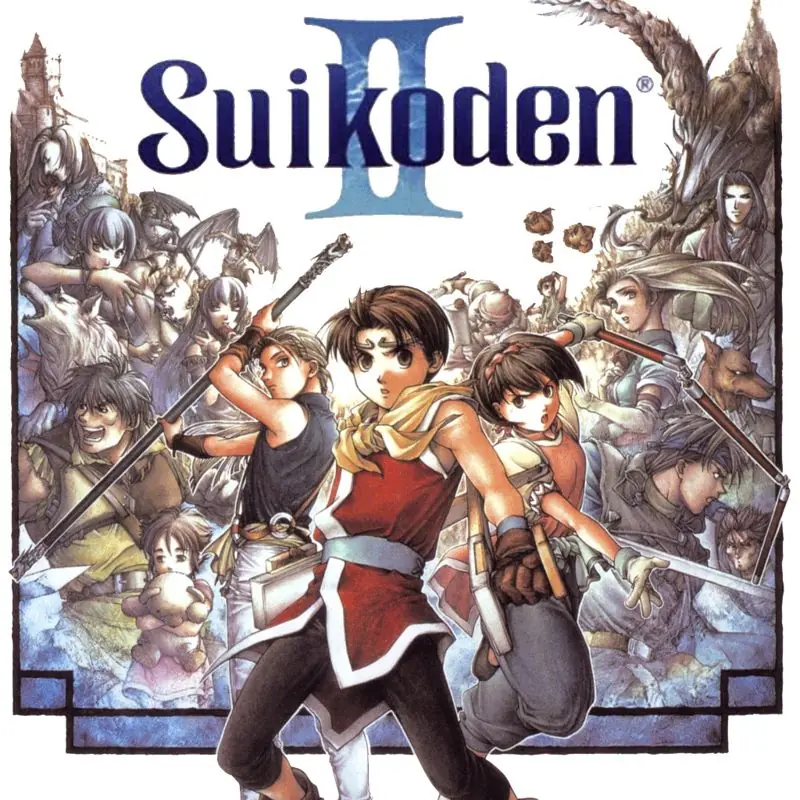
Suikoden II is a 1998 role-playing game developed by Konami Computer Entertainment Tokyo and published by Konami.
Genres
Publishers
Developers
Platforms
Suikoden II is a 1998 role-playing game developed by Konami Computer Entertainment Tokyo and published by Konami.
Suikoden II (Japanese: 幻想水滸伝II, Hepburn: Gensō Suikoden Tsū; (listen)) is a role-playing video game developed and published by Konami for the PlayStation video game console and the second installment of the Suikoden video game series. It was released on December 17, 1998, in Japan; on September 29, 1999, in North America; and on July 28, 2000, in Europe. The game features a vast array of characters, with over 100 recruitable characters, of which over 40 are usable in combat.
Suikoden II takes place three years after the events of the original Suikoden. In the northern neighboring countries of the newly established Toran Republic (previously Scarlet Moon Empire) by President Lepant, the new protagonist are caught in a devastating war between City-States of Jowston led by Mayor Anabelle and Kingdom of Highland led by Prince Luca Blight. The player is also adopted son of Genkaku, a hero who saved the City-States of Jowston in a war against Highland years ago. The Genkaku Jr. and his best friend, Jowy Atreides, each gain one half of the Rune of the Beginning, one of the 27 True Runes of the Suikoden setting, and become caught up in the intrigues of the invasion and the dark fate of those who bear the halves of that Rune. As with other Suikoden titles, the game also centers on the recruitment of the 108 Stars of Destiny.
The story of Suikoden II centers around the protagonist, Riou Genkaku (canon name; although other name can also be chosen by the player), his childhood best friend Jowy Atreides, and his adopted big sister Nanami. The story revolves around Riou and Jowy each acquiring one half of the Rune of the Beginning, one of the 27 True Runes that each govern an aspect of the Suikoden universe and are the source of all magical powers. The Rune, whose name references the creation myth of the Suikoden universe, governs conflict and war, and steers the destinies of Riou and Jowy so they must fight each other until one is defeated and the two halves are reunited. Their fated conflict causes much pain for Nanami, who wishes for the three friends to run away and live a quiet and happy life together.
The main conflict of the story centers on a war between the nations of Highland and the City-States of Jowston. The antagonist for the majority of the game is Prince Luca Blight, heir to the throne of Highland. Luca is a brutal and bloodthirsty madman who developed a strong hatred for Jowston at a young age after witnessing his mother's rape by Jowstonian soldiers during an earlier war. Other antagonists include Neclord, a senile vampire who uses another of the True Runes to fulfill his lust and sadistic tendencies; Gordeau, the brutal leader of an order of knights; Leon, a mysterious strategist working for his own ends; and the Beast Rune, driven by its instinct to seek Luca, so both can combine their power together to become even stronger.
As with all Suikoden games, the principal cast of the game is the 108 Stars of Destiny, who play important or minor roles in the plot of the game. Important characters include Shu, student of Mathiu who becomes Riou's main strategist; Eilie, Riou main romantic interest; Teresa, a steadfast woman acting as a mayor in her father's place; Kiba, a Highland general who defects after Riou defeats him; Chaco, an impertinent young member of a race of flying humanoids; and Apple, another Mathiu disciple that secretly have romantic feeling for Shu and one of Riou logistic tactician.
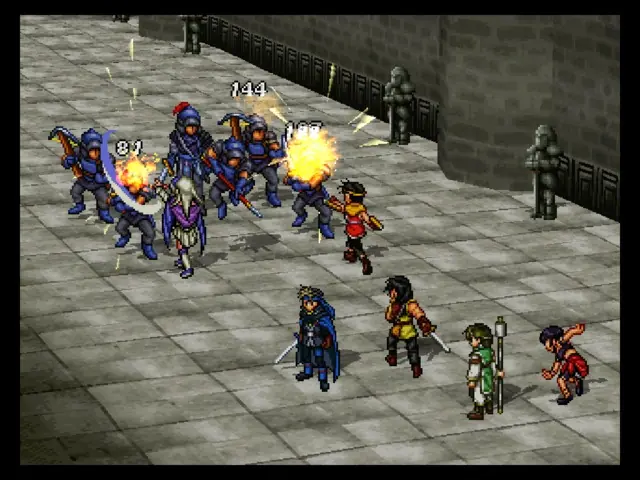
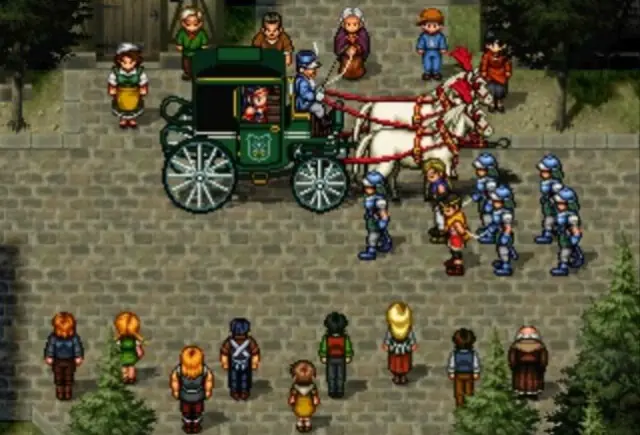
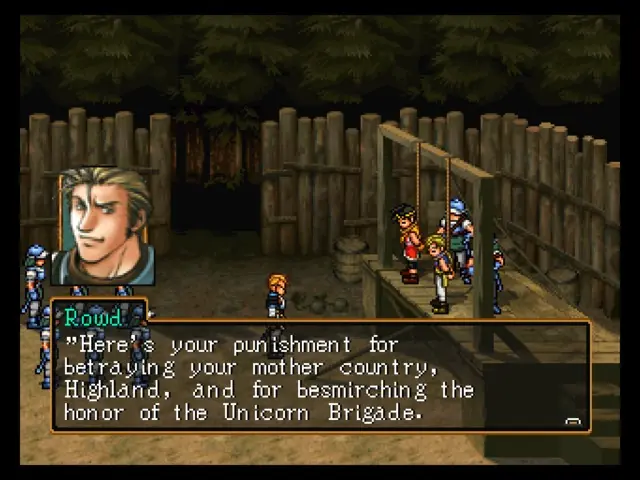
Suikoden II is abandonware and no longer sold or supported by its publishers. Files are archived here for these platforms:


Comments